





AGRONOMIC RESOURCESTO SUPPORT EVERY SEASON
YOU CAN TAKETO THE FIELD
Corn Chilling vs Later Planting
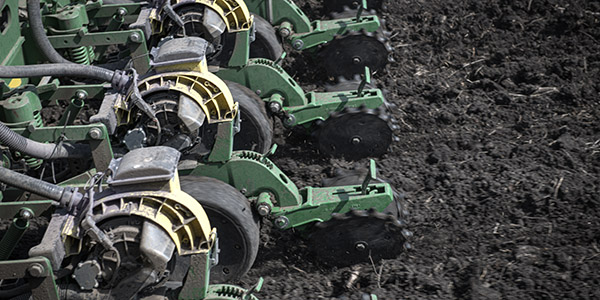
The fields are fit for planting and the calendar says it’s time to start planting. But farmers may hesitate due to an impending forecast of rain and cool temperatures. Yes, the feared “cold drink of water” scenario attributed to the corn seedling absorbing its first drink of cold water, known technically as cold imbibition.
It is a real occurrence (albeit rare) that happens when corn is planted just prior to a cold front and the water is colder than 50ºF. The imbibition of cold water disrupts the reorganization of cells during rehydration and can result in the loss of seed vigor or seed death. The most critical time for imbibition is within 24 hours of planting, according to Mark Licht, Department of Agronomy, and Clarke McGrath, ISU Extension and Outreach.
The closer one plants to the onset of a cold spell, the more likely the injury suggests Bob Nielsen of Purdue University Agronomy Department. At Peoria, Illinois, based on the current outlook of temperatures as of 4/23/20, one may consider parking the planter due to an expected drop of temperature lows below 50º during 8 out the next 10 days.
However, the duration AND severity of the cold period should also be considered. The faster it gets warmer, the faster the plant is expected to recover. At the 4” soil depth, only one day is forecast by WeatherTrends 360® to be below 50º soil temperature during the aforementioned 10 days. So, IF growers have been aggressive in getting corn into the ground, do not despair.
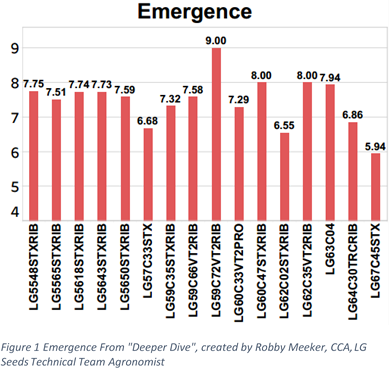 For those growers needing to get more acres planted, consider using a known hybrid with good emergence ratings. Even though the “good emerging” corn can be impacted by cold imbibition, the overall reduction in population may be minimized. For example, turn to LG59C72VT2RIB for superior emergence and hold back LG62C02STRIB until conditions improve.
In general, the temperature forecast looks slightly cooler than the 30-year average but not extreme enough to drop soil temperatures significantly. If one considers the prospects that untimely rains could hamper timely planting and other field activities later this month, one might be glad to have acres planted and avoid the angst the industry experienced during the late planting of 2019. Either way, be cautious, scout your fields and remember we still have plenty of days left to plant corn prior to yields being hampered due to delayed planting.
Download a copy of this technical bulletin here: Corn Chilling vs Later Planting
Sources and additional information:



Technical Team Agronomist